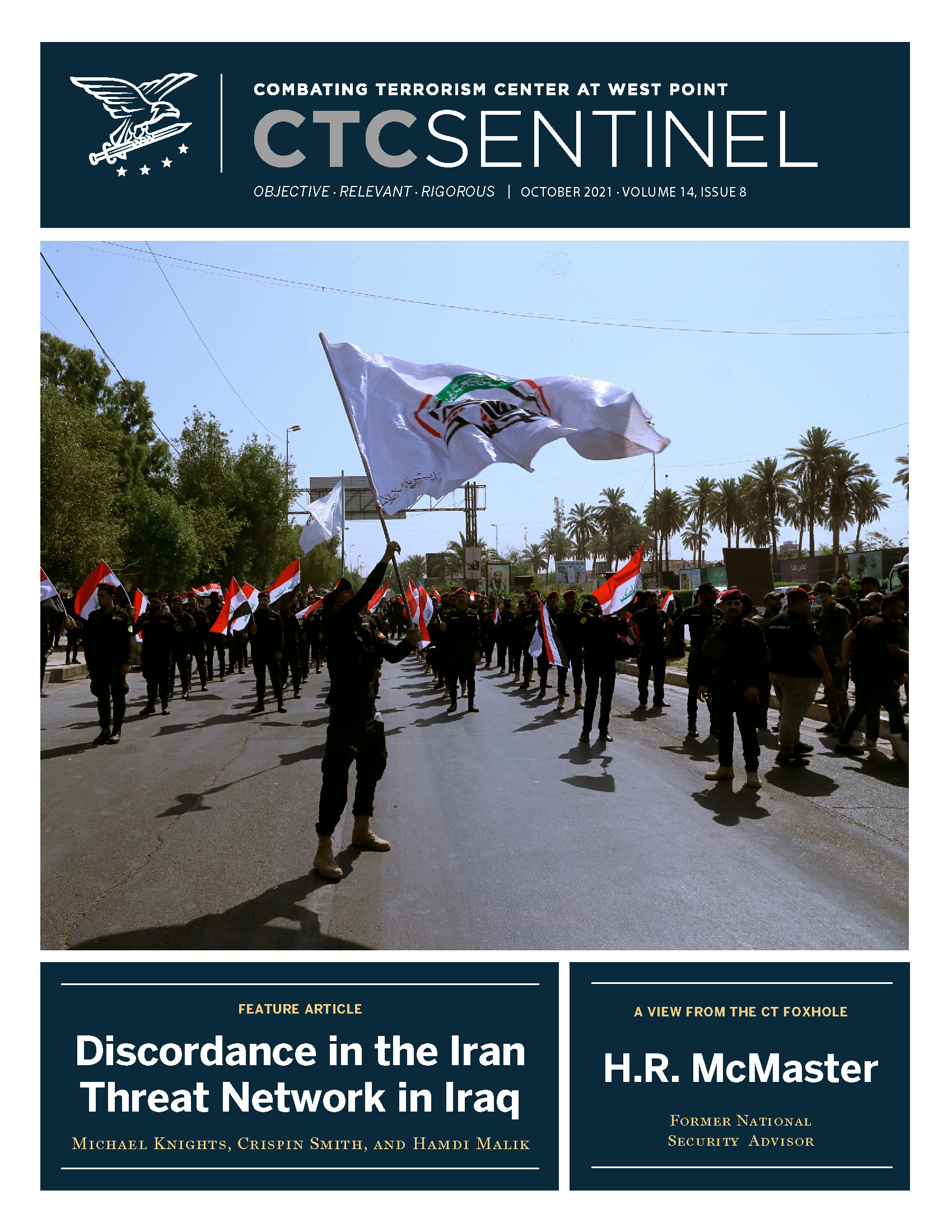

The U.S. National Counterterrorism Center (NCTC) plays a pivotal role in the nation's security infrastructure, serving as a central hub for integrating and analyzing terrorism-related information. Established in 2004 as part of the Intelligence Reform and Terrorism Prevention Act, the NCTC is tasked with providing comprehensive support to the federal government and state, local, and tribal authorities in their efforts to combat terrorism. This blog post delves into the multifaceted operations of the NCTC, its significance in national security, and its collaborative efforts with various agencies.
The Role of the U.S. National Counterterrorism Center
The NCTC's primary mission is to serve as the primary organization for integrating and analyzing all intelligence pertaining to terrorism. This includes gathering information from various sources, both domestic and international, to provide a holistic view of potential threats. The center's responsibilities encompass a wide range of activities, from threat assessment and strategic planning to operational support and crisis management.
The NCTC's role can be broken down into several key areas:
- Information Sharing: The NCTC acts as a central repository for terrorism-related information, ensuring that all relevant agencies have access to the latest intelligence. This includes sharing data with federal departments, state and local law enforcement, and international partners.
- Threat Assessment: The center continuously monitors and assesses potential threats, providing timely and accurate information to decision-makers. This involves analyzing patterns, trends, and emerging threats to anticipate and mitigate risks.
- Strategic Planning: The NCTC develops long-term strategies to counter terrorism, working closely with other agencies to coordinate efforts and allocate resources effectively.
- Operational Support: The center provides tactical support to ongoing operations, assisting in the planning and execution of counterterrorism activities. This includes coordinating with law enforcement and intelligence agencies to disrupt terrorist plots and apprehend suspects.
- Crisis Management: In the event of a terrorist attack, the NCTC plays a crucial role in managing the response, providing real-time information and support to first responders and decision-makers.
The Importance of the NCTC in National Security
The NCTC's importance in national security cannot be overstated. By centralizing terrorism-related intelligence, the center enables a more coordinated and effective response to threats. This integration of information allows for a comprehensive understanding of the terrorist landscape, helping to identify vulnerabilities and opportunities for intervention.
One of the key advantages of the NCTC is its ability to break down silos between different agencies. Historically, intelligence sharing has been hampered by bureaucratic barriers and competing interests. The NCTC addresses this by fostering a culture of collaboration and information sharing, ensuring that all relevant stakeholders have access to the information they need to perform their duties effectively.
The NCTC's role in national security is further enhanced by its partnerships with international allies. By sharing intelligence and coordinating efforts with foreign governments, the center helps to build a global network of counterterrorism cooperation. This international collaboration is essential for addressing the transnational nature of terrorism, which often involves networks that span multiple countries and continents.
Collaborative Efforts and Partnerships
The NCTC's effectiveness is largely dependent on its ability to collaborate with a wide range of partners, both within the United States and abroad. These partnerships are crucial for gathering intelligence, sharing information, and coordinating responses to terrorist threats.
Within the United States, the NCTC works closely with various federal agencies, including the FBI, CIA, Department of Homeland Security, and the Department of Defense. This collaboration ensures that all relevant intelligence is shared and that efforts are coordinated to maximize effectiveness. For example, the NCTC's partnership with the FBI allows for the integration of law enforcement intelligence with broader counterterrorism efforts, providing a more comprehensive view of potential threats.
Internationally, the NCTC collaborates with intelligence and law enforcement agencies from other countries. These partnerships are essential for addressing the global nature of terrorism, which often involves transnational networks and coordinated attacks. By sharing intelligence and coordinating efforts, the NCTC helps to build a global network of counterterrorism cooperation, enhancing the collective ability to combat terrorism.
In addition to its partnerships with government agencies, the NCTC also works with private sector entities and non-governmental organizations. These collaborations are important for gathering intelligence from a variety of sources and for coordinating efforts to mitigate risks. For example, the NCTC may work with private companies to enhance cybersecurity measures or with non-governmental organizations to address the root causes of terrorism.
Challenges Faced by the NCTC
Despite its critical role in national security, the NCTC faces several challenges in its efforts to combat terrorism. One of the primary challenges is the sheer volume of information that the center must process and analyze. With intelligence coming from a wide range of sources, both domestic and international, the NCTC must sift through vast amounts of data to identify relevant threats.
Another challenge is the need to balance security with privacy concerns. The NCTC's efforts to gather and share intelligence must be conducted in a manner that respects individual privacy rights while still ensuring national security. This delicate balance requires careful consideration and adherence to legal and ethical standards.
Additionally, the NCTC must contend with the evolving nature of terrorism. Terrorist groups and individuals are constantly adapting their tactics and strategies, making it difficult to predict and mitigate threats. The center must remain agile and responsive, continuously updating its methods and technologies to stay ahead of emerging threats.
Finally, the NCTC faces challenges related to resource allocation and funding. As with any government agency, the center must operate within budgetary constraints, which can limit its ability to invest in new technologies and expand its capabilities. Ensuring adequate funding and resources is essential for the NCTC to fulfill its mission effectively.
🔒 Note: The NCTC's challenges highlight the complex nature of counterterrorism efforts and the need for continuous adaptation and innovation.
Technological Innovations and Future Directions
The NCTC leverages advanced technologies to enhance its counterterrorism capabilities. These innovations include data analytics, artificial intelligence, and cybersecurity tools, which help the center process and analyze vast amounts of information more efficiently. By integrating these technologies, the NCTC can identify patterns and trends that might otherwise go unnoticed, providing a more comprehensive view of potential threats.
One of the key technological advancements is the use of data analytics. The NCTC employs sophisticated algorithms to analyze large datasets, identifying correlations and anomalies that could indicate terrorist activity. This data-driven approach allows the center to make more informed decisions and allocate resources more effectively.
Artificial intelligence (AI) is another critical tool for the NCTC. AI systems can process and analyze information at a scale and speed that is beyond human capabilities. By using AI, the NCTC can automate routine tasks, freeing up analysts to focus on more complex and strategic issues. AI also enables the center to predict potential threats more accurately, providing early warnings that can help prevent attacks.
Cybersecurity is another area where the NCTC is investing heavily. With the increasing reliance on digital technologies, the risk of cyber-attacks has grown significantly. The NCTC works to protect its own systems and those of its partners from cyber threats, ensuring the integrity and security of sensitive information. This includes implementing robust cybersecurity measures and conducting regular assessments to identify and mitigate vulnerabilities.
Looking ahead, the NCTC is poised to continue evolving its technological capabilities. As new threats emerge and technologies advance, the center will need to adapt and innovate to stay ahead of the curve. This may involve investing in emerging technologies such as quantum computing, blockchain, and advanced machine learning algorithms. By staying at the forefront of technological innovation, the NCTC can enhance its counterterrorism efforts and better protect the nation from evolving threats.
🌐 Note: The future of counterterrorism will likely be shaped by technological advancements, making it essential for the NCTC to stay at the cutting edge of innovation.
Training and Education
The NCTC places a strong emphasis on training and education to ensure that its personnel are well-equipped to handle the complexities of counterterrorism. This includes providing comprehensive training programs that cover a wide range of topics, from intelligence analysis and threat assessment to operational planning and crisis management.
One of the key components of the NCTC's training programs is the use of simulations and exercises. These hands-on training sessions allow analysts and operators to practice their skills in a controlled environment, preparing them for real-world scenarios. By simulating various threat scenarios, the NCTC can identify areas for improvement and enhance the readiness of its personnel.
In addition to internal training, the NCTC also collaborates with academic institutions and research organizations to stay informed about the latest developments in counterterrorism. This collaboration helps the center to integrate cutting-edge research and best practices into its training programs, ensuring that its personnel are equipped with the most up-to-date knowledge and skills.
The NCTC's training and education efforts are not limited to its own personnel. The center also provides training and support to state, local, and tribal authorities, as well as international partners. This outreach helps to build a broader network of counterterrorism expertise, enhancing the collective ability to combat terrorism.
One of the key areas of focus in the NCTC's training programs is the development of analytical skills. Analysts must be able to process and interpret complex information, identifying patterns and trends that could indicate potential threats. The NCTC provides specialized training in data analysis, intelligence gathering, and threat assessment, ensuring that its analysts are well-equipped to handle the challenges of counterterrorism.
Another important aspect of the NCTC's training programs is the emphasis on collaboration and information sharing. Analysts and operators must be able to work effectively with a wide range of partners, both within the United States and abroad. The NCTC's training programs focus on building these collaborative skills, ensuring that personnel can communicate and coordinate efforts effectively.
Finally, the NCTC's training programs place a strong emphasis on ethical considerations and legal compliance. Personnel must adhere to strict ethical standards and legal guidelines in their counterterrorism efforts, ensuring that their actions are both effective and lawful. The NCTC provides training in ethical decision-making and legal compliance, helping personnel to navigate the complexities of counterterrorism operations.
📚 Note: The NCTC's commitment to training and education is essential for maintaining a highly skilled and knowledgeable workforce capable of addressing the evolving challenges of counterterrorism.
Public Awareness and Community Engagement
The NCTC recognizes the importance of public awareness and community engagement in the fight against terrorism. By educating the public about the threats posed by terrorism and the steps they can take to protect themselves, the center helps to build a more resilient and informed society. This engagement is crucial for fostering a culture of vigilance and preparedness, ensuring that communities are better equipped to respond to potential threats.
One of the key initiatives in this area is the development of public awareness campaigns. These campaigns aim to educate the public about the signs of potential terrorist activity and the steps they can take to report suspicious behavior. By raising awareness, the NCTC helps to create a network of vigilant citizens who can play an active role in counterterrorism efforts.
In addition to public awareness campaigns, the NCTC also engages with communities through outreach programs and partnerships. These initiatives involve working with local organizations, schools, and businesses to promote counterterrorism awareness and preparedness. By building strong relationships with communities, the NCTC can foster a sense of shared responsibility and collaboration in the fight against terrorism.
Another important aspect of the NCTC's public engagement efforts is the provision of resources and tools for community preparedness. This includes developing guidelines and best practices for emergency response, as well as providing training and support to local authorities. By equipping communities with the knowledge and resources they need to respond to potential threats, the NCTC helps to enhance overall preparedness and resilience.
The NCTC also places a strong emphasis on cultural sensitivity and inclusivity in its public engagement efforts. Recognizing the diverse nature of American society, the center works to ensure that its initiatives are inclusive and respectful of different cultural backgrounds. This approach helps to build trust and collaboration with communities, enhancing the effectiveness of counterterrorism efforts.
Finally, the NCTC's public engagement efforts are supported by a robust communications strategy. This includes the use of various media channels, such as social media, websites, and public service announcements, to disseminate information and engage with the public. By leveraging these channels, the NCTC can reach a wide audience and promote counterterrorism awareness and preparedness.
📢 Note: Public awareness and community engagement are essential components of the NCTC's counterterrorism strategy, helping to build a more resilient and informed society.
Case Studies and Success Stories
The NCTC's efforts have resulted in numerous successes in the fight against terrorism. These case studies highlight the center's ability to integrate intelligence, coordinate efforts, and disrupt terrorist plots. By examining these successes, we can gain a better understanding of the NCTC's capabilities and the impact of its work.
One notable case study involves the disruption of a terrorist plot targeting a major U.S. city. Through the integration of intelligence from various sources, the NCTC was able to identify the plot and coordinate a swift response. This involved working closely with local law enforcement and other agencies to gather evidence, apprehend suspects, and prevent the attack. The successful disruption of this plot underscores the importance of the NCTC's role in coordinating counterterrorism efforts and sharing intelligence.
Another success story involves the NCTC's efforts to track and disrupt the activities of a transnational terrorist network. By leveraging its international partnerships and advanced analytical tools, the center was able to identify key members of the network and coordinate efforts to apprehend them. This case highlights the NCTC's ability to address the global nature of terrorism and the importance of international collaboration in counterterrorism efforts.
In addition to these specific cases, the NCTC's work has contributed to a broader reduction in terrorist activity. Through its continuous monitoring and analysis of threats, the center has helped to identify and mitigate potential risks, enhancing overall national security. This ongoing effort is a testament to the NCTC's commitment to protecting the nation from terrorist threats.
These case studies and success stories demonstrate the NCTC's effectiveness in combating terrorism. By integrating intelligence, coordinating efforts, and leveraging advanced technologies, the center has been able to disrupt terrorist plots and enhance national security. These successes underscore the importance of the NCTC's role in the nation's counterterrorism strategy.
🏆 Note: The NCTC's case studies and success stories provide valuable insights into the center's capabilities and the impact of its work in combating terrorism.
Future of Counterterrorism
The future of counterterrorism will be shaped by a combination of technological advancements, evolving threats, and the need for continuous adaptation. As terrorist groups and individuals continue to adapt their tactics and strategies, the NCTC must remain agile and responsive, leveraging new technologies and approaches to stay ahead of emerging threats.
One of the key areas of focus for the future is the integration of artificial intelligence and machine learning. These technologies have the potential to revolutionize counterterrorism efforts by enabling more accurate threat prediction, automated data analysis, and enhanced situational awareness. By investing in these technologies, the NCTC can enhance its capabilities and better protect the nation from evolving threats.
Another important area of focus is the development of advanced cybersecurity measures. With the increasing reliance on digital technologies, the risk of cyber-attacks has grown significantly. The NCTC must continue to invest in cybersecurity to protect its own systems and those of its partners from potential threats. This includes implementing robust cybersecurity measures and conducting regular assessments to identify and mitigate vulnerabilities.
In addition to technological advancements, the future of counterterrorism will also be shaped by the need for continuous adaptation and innovation. As new threats emerge, the NCTC must be prepared to adapt its strategies and approaches to address these challenges. This may involve developing new training programs, enhancing collaboration with partners, and leveraging emerging technologies to stay ahead of the curve.
Finally, the future of counterterrorism will be influenced by the evolving nature of global security. As terrorism continues to pose a transnational threat, the NCTC must continue to build and strengthen its international partnerships. By working closely with allies and partners, the center can enhance its ability to address the global nature of terrorism and build a more secure world.
🌍 Note: The future of counterterrorism will require continuous adaptation and innovation, leveraging new technologies and approaches to address evolving threats.
In conclusion, the U.S. National Counterterrorism Center plays a crucial role in the nation’s security infrastructure, serving as a central hub for integrating and analyzing terrorism-related information. Through its collaborative efforts with various agencies, advanced technological innovations, and commitment to training and education, the NCTC enhances national security and protects the nation from evolving threats. As the landscape of terrorism continues to change, the NCTC’s adaptability and innovation will be essential for maintaining a robust and effective counterterrorism strategy. The center’s successes and ongoing efforts underscore its importance in the fight against terrorism, ensuring a safer and more secure future for all Americans.
Related Terms:
- national counterterrorism center groups
- us national counterterrorism center nctc
- national counterterrorism training center
- national counterterrorism center director
- national counterterrorism center digest
- national counterterrorism center news